



Understanding the psychology of gambling What drives your bets
Understanding the psychology of gambling What drives your bets
The Allure of Risk
The thrill of gambling often stems from the allure of risk. This excitement activates our brain’s reward system, releasing dopamine—a neurotransmitter that plays a key role in pleasure and motivation. When players make a bet, they engage in a high-stakes game, and the potential for winning amplifies their desire to continue. The unpredictability of outcomes fuels adrenaline, making every game an emotional roller coaster that many find irresistible. On platforms like https://sewcraftyonline.co.uk/, this excitement is often magnified, attracting a wide audience.
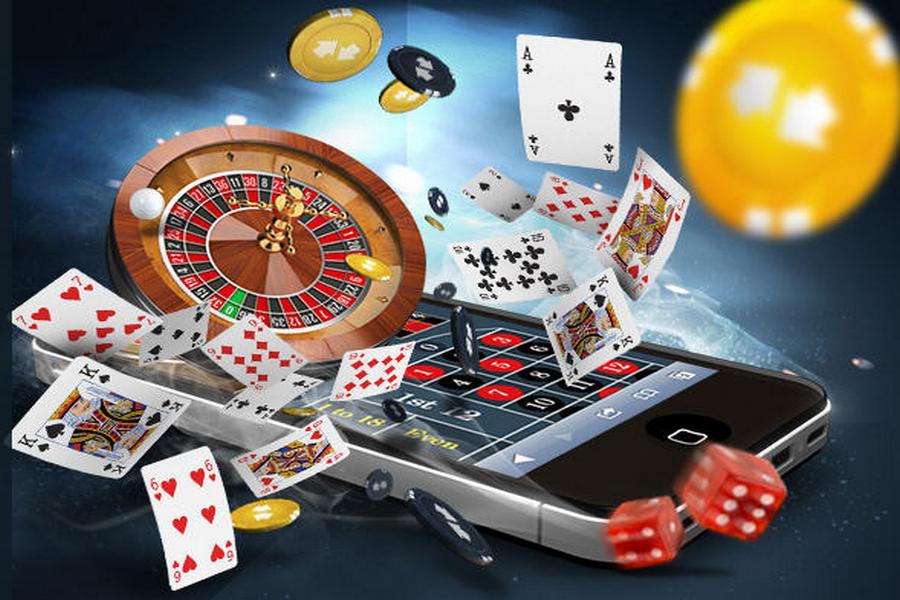
This relationship between risk and reward can be fascinatingly complex. Individuals may be drawn to gambling not just for the chance of winning money, but also for the social environment it often creates. Casinos, online platforms, and poker rooms serve as social hubs where players share experiences and build connections. This social aspect can enhance the overall thrill, encouraging more frequent participation even among those who may not be financially inclined to gamble.
Moreover, the excitement derived from the potential to win big often overshadows the awareness of potential losses. Cognitive biases like the “gamblers fallacy” lead players to believe they are due for a win after a series of losses, further perpetuating their engagement with gambling activities. This psychological mechanism can explain why individuals continue to place bets even when logical reasoning suggests it may be unwise.
Understanding the motivations behind betting is essential to grasp the psychology of gambling. For some, the primary driver is the desire for financial gain, while for others, it could be more about the thrill of the game or social interaction. This multifaceted motivation can make gambling appealing to a wide range of individuals. Some may gamble to escape from everyday stressors, seeking solace in the excitement of the game.
Emotional motivations play a crucial role as well. Many gamblers report that winning boosts their self-esteem and confidence, creating a sense of accomplishment. This psychological reward can become addictive, pushing individuals to chase that feeling by returning to gambling establishments or online platforms. Additionally, people may experience a temporary high when they engage in risky bets, reinforcing the behavior despite the potential for negative consequences.
Furthermore, cultural and social influences also shape individual motivations to gamble. For example, in some cultures, gambling is viewed as a legitimate form of entertainment, creating an environment where participation is normalized. This societal acceptance can foster a collective mindset that encourages individuals to engage in gambling, driven by social norms and peer pressure. Hence, the psychology of gambling extends far beyond mere individual choice; it is deeply intertwined with external influences.
Emotional Impact of Winning and Losing
The emotional highs and lows associated with gambling can significantly influence behavior. Winning can result in intense feelings of euphoria, providing immediate gratification. This emotional rush is often a catalyst for further gambling, as players seek to replicate their success. However, this joy can be fleeting, as the reality of loss sets in for many gamblers, potentially leading to feelings of disappointment or frustration.
On the flip side, losses can elicit strong emotional responses, including anxiety, anger, or sadness. This duality creates a complex emotional landscape that can drive individuals to gamble even harder in hopes of recouping their losses. The “chasing losses” mentality is a common phenomenon, where gamblers become fixated on recovering lost money, often leading to a destructive cycle of betting.
This cycle is not merely about financial stakes; it can also have broader implications on personal relationships and mental health. Those who struggle with gambling may find their lives increasingly consumed by their need to gamble, affecting relationships with family and friends. The emotional strain of such behaviors can lead to isolation, reinforcing the compulsive nature of gambling while making it difficult to break free from its grip.
Understanding Gambling Disorders
Gambling disorders represent a significant area of concern within the realm of gambling psychology. This condition manifests when individuals lose control over their gambling habits, leading to detrimental consequences in their lives. It’s crucial to distinguish between casual gambling and pathological gambling, as the latter often results in severe financial, emotional, and social repercussions.
Identifying the signs of a gambling disorder can be a complex process. Often, those affected may deny their addiction or minimize the impact of their behavior. Factors such as underlying mental health issues, including anxiety or depression, can exacerbate gambling disorders. Understanding these psychological underpinnings is vital for effective treatment and support.
There are various therapeutic approaches for addressing gambling disorders, ranging from cognitive-behavioral therapy to support groups like Gamblers Anonymous. These methods aim to help individuals recognize their triggers, develop coping strategies, and ultimately regain control over their gambling habits. Acknowledging the psychological factors at play is a crucial first step in addressing gambling disorders and fostering healthier behaviors.
Exploring Our Website for More Insights
For those interested in delving deeper into the intricate psychology of gambling, our website offers a wealth of resources and articles. We strive to provide valuable insights that can help individuals understand their motivations, recognize potential issues, and cultivate healthier gambling habits. Our content caters to both casual gamblers and those who may be grappling with more significant challenges.
In addition to articles, our website features expert opinions, personal stories, and guidance on seeking help for gambling-related problems. We believe that education and awareness are crucial in fostering a better understanding of gambling’s psychological aspects, ultimately leading to more informed decisions. We invite you to explore our content and engage with our community as you navigate your own gambling experiences.