

Vintage_photography_explores_the_enduring_appeal_of_pinup_imagery_and_modern_tre
- Vintage photography explores the enduring appeal of pinup imagery and modern trends
- The Historical Roots of Pinup Art
- The Evolution of Posing and Presentation
- The Role of Lighting and Photography
- Modern Interpretations and Subgenres
- The Influence on Fashion and Pop Culture
- Beyond Aesthetics: Empowering Body Positivity
Vintage photography explores the enduring appeal of pinup imagery and modern trends
The allure of the classic
Today, the legacy of pinup isn't simply about replication; it’s about reinterpretation. Modern photographers and artists are drawing inspiration from the classic style while simultaneously incorporating contemporary sensibilities. We see influences in everything from high-fashion campaigns to boudoir photography, and even in the resurgence of vintage-inspired clothing. This evolution highlights the enduring power of the pinup aesthetic and its ability to adapt and remain relevant across generations. The core principles of confident posing, flattering lighting, and a focus on the female form are still at play, but presented through a distinctly modern lens.
The Historical Roots of Pinup Art
The seeds of the pinup image were sown in the late 19th and early 20th centuries with calendar art and illustrations by artists like Charles Dana Gibson. These early depictions of women, while not explicitly “pinup” in the later sense, established a precedent for celebrating female beauty through illustration. However, the true birth of the pinup as we know it can be traced back to the 1940s and World War II. During this period, artists such as Alberto Vargas, Gil Elvgren, and George Petty created illustrations for magazines and calendars that were immensely popular with soldiers overseas. These artworks offered a sense of home and a reminder of the women they were fighting for.
The artwork wasn’t merely decorative; it was a carefully crafted tool for morale. The images were designed to be uplifting and optimistic, offering a brief escape from the harsh realities of war. The artists meticulously focused on creating idealized images of beauty, often featuring playfully posed women in suggestive, but not overtly sexual, scenarios. The combination of skillful artistry and evocative subject matter made these images incredibly successful in lifting the spirits of troops stationed far from home. After the war, the pinup aesthetic transitioned into mainstream culture, solidifying its place in American iconography. This transition involved evolving media, from simple prints to wider circulation through television and film.
| Artist | Notable Style | Key Publication |
|---|---|---|
| Alberto Vargas | Lush, detailed paintings with a focus on glamorous figures | Esquire Magazine |
| Gil Elvgren | Humorous and playful scenes, often with a narrative element | Brown & Bigelow calendars |
| George Petty | Sleek, stylized illustrations emphasizing curves and sophistication | Pin-Up Magazines |
| Zoe Mozert | Photorealistic pin-up photography, emphasizing natural beauty | Various magazines and calendars |
The influence of these artists extended beyond the immediate post-war period, shaping the visual language of advertising and popular culture for decades to come. Their techniques and aesthetic choices continue to inspire contemporary artists and photographers working in the pinup tradition.
The Evolution of Posing and Presentation
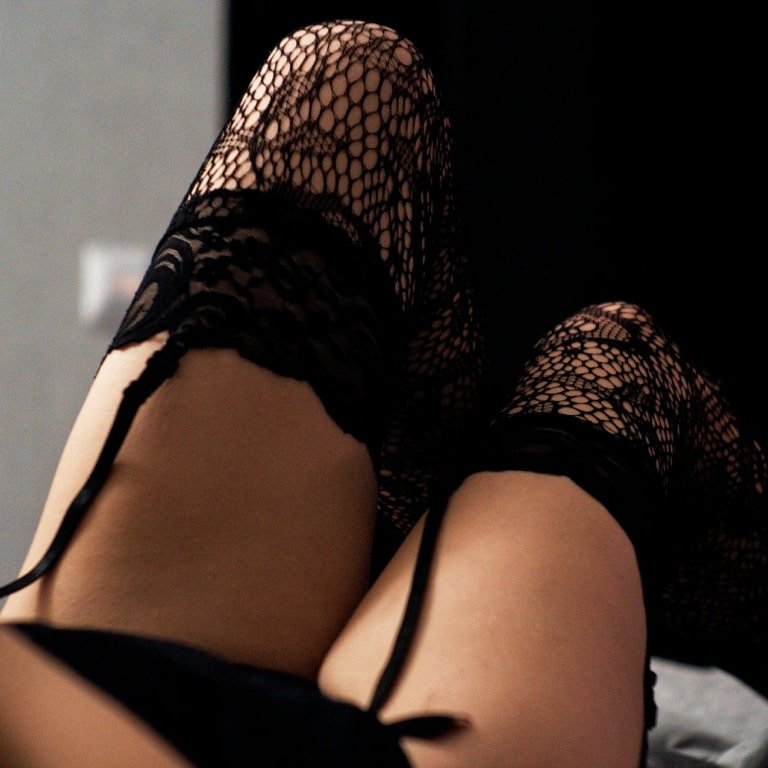
The classic pinup pose is more than just a static arrangement of limbs; it’s a carefully constructed performance designed to exude confidence and allure. Key elements include a tilted head, a playful gaze, and a subtle emphasis on curves. The poses were often inspired by classical art, but adapted for a more playful and accessible aesthetic. Early pinup artists studied anatomy and lighting techniques to create images that were both visually striking and flattering to the female form. This understanding of form and light remains crucial in contemporary pinup photography.
Beyond the pose itself, the presentation of the pinup – the clothing, the setting, and the overall mood – played a significant role in its appeal. Outfits were often designed to be both alluring and suggestive, emphasizing the body without being overly revealing. Props and settings were carefully chosen to complement the pose and create a narrative. This emphasis on narrative is what separates the classic pinup from simple objectification. It wasn’t just about looking beautiful; it was about telling a story, however subtle. The attention to these details is what elevated the pinup image to an art form.
- Emphasis on Curves: Highlighting the natural curves of the body through posing and clothing.
- Playful Gaze: Creating a connection with the viewer through a direct, yet inviting, look.
- Strategic Props: Utilizing props to enhance the narrative and add visual interest.
- Flattering Lighting: Employing lighting techniques to accentuate the subject’s best features.
- Subtle Suggestion: Hinting at sensuality without explicit exposure.
Contemporary pinup artists continue to refine these techniques, experimenting with new angles, lighting styles, and props. However, the core principles of confidence, allure, and storytelling remain central to the aesthetic.
The Role of Lighting and Photography
Lighting is paramount in pinup photography, often employing techniques reminiscent of classical painting to sculpt the form and create a dramatic effect. Soft, diffused light is frequently used to minimize harsh shadows and create a flattering glow. Backlighting can be used to emphasize curves and create a sense of mystery. The strategic use of shadows can also add depth and dimension to the image. Understanding how light interacts with the body is essential for creating a visually compelling pinup photograph.
The transition from illustration to photography naturally impacted the pinup aesthetic. Early pinup photography, exemplified by the work of Zoe Mozert, mirrored the illustrative style of her contemporaries. However, as photographic techniques evolved, so did the pinup image. Color photography allowed for a richer and more vibrant aesthetic, while advancements in lenses and film speed enabled photographers to capture greater detail and nuance. Digital photography has further expanded the possibilities, allowing for greater control over color, contrast, and post-processing. This evolution has resulted in a diverse range of photographic styles within the pinup tradition.
- Soft Diffusion: Minimizing harsh shadows for a flattering look.
- Strategic Backlighting: Highlighting curves and adding mystery.
- Chiaroscuro Effects: Using strong contrasts between light and shadow.
- Color Grading: Adjusting colors to create a specific mood and aesthetic.
- Post-Processing Techniques: Enhancing details and refining the final image.
Today’s pinup photographers are often skilled in a variety of lighting techniques, seamlessly blending classic methods with modern technologies. The goal remains the same: to create an image that is both visually stunning and evocative of the pinup aesthetic.
Modern Interpretations and Subgenres
The pinup aesthetic has spawned a variety of subgenres, each with its own unique characteristics. Vintage-inspired pinup, for example, meticulously recreates the look and feel of the 1940s and 1950s, often employing period-appropriate clothing, hairstyles, and makeup. Burlesque pinup incorporates elements of performance art and theatricality, emphasizing sensuality and playfulness. Alternative pinup embraces unconventional aesthetics, incorporating elements of rockabilly, punk, and other subcultures. These diverse subgenres demonstrate the adaptability and enduring appeal of the pinup aesthetic.
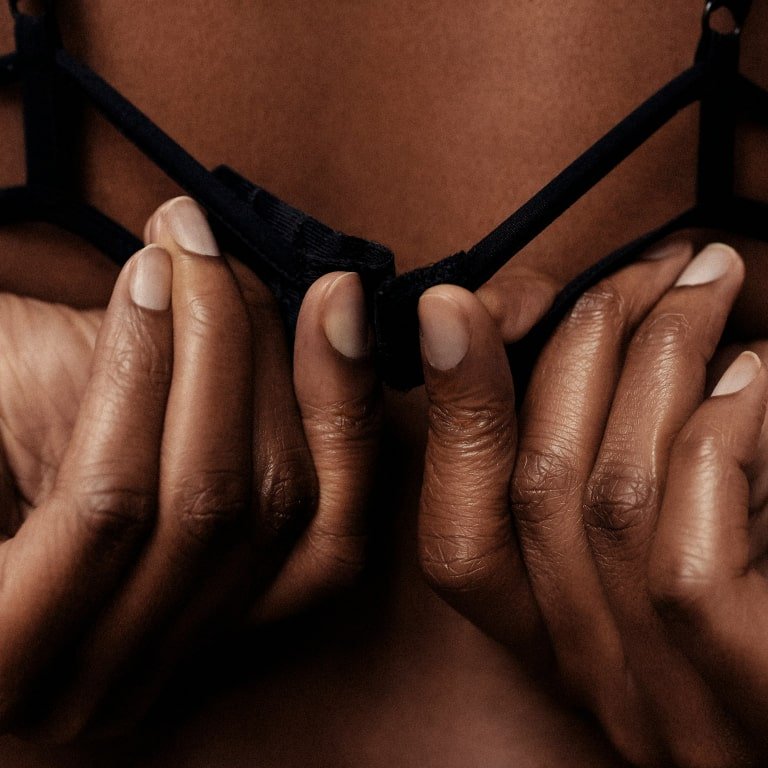
Modern photographers are also pushing the boundaries of the pinup genre, challenging traditional notions of beauty and representation. They are increasingly featuring models of diverse ethnicities, body types, and gender identities. This inclusivity is helping to redefine the pinup aesthetic for a new generation. The focus is shifting from a narrow ideal of beauty to a celebration of individuality and self-expression. This broadening perspective ensures that the pinup aesthetic remains relevant and engaging in a rapidly changing world.
The Influence on Fashion and Pop Culture
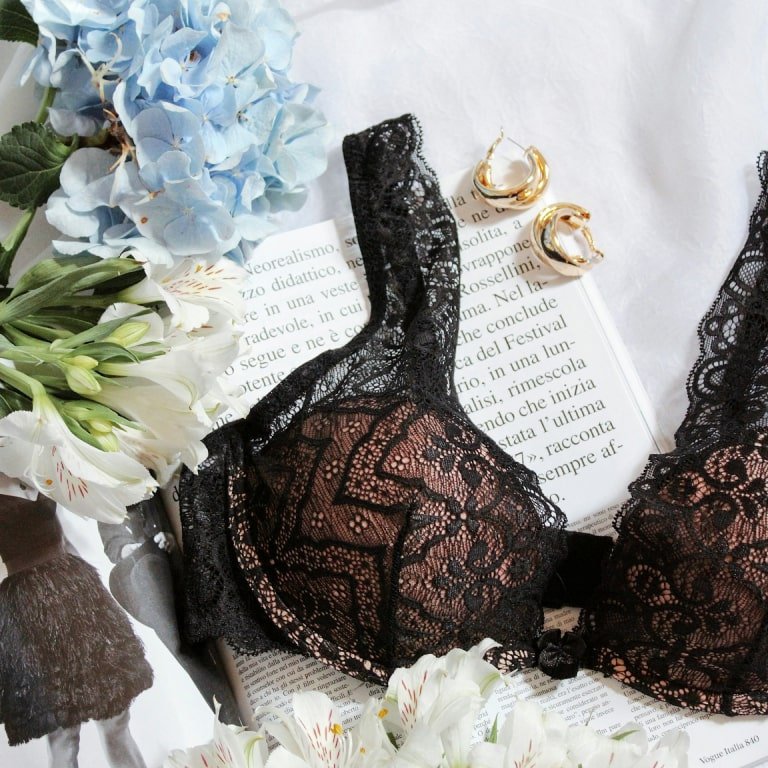
The influence of pinup imagery extends far beyond the realm of art and photography, permeating fashion, advertising, and popular culture. Vintage-inspired clothing, such as polka dot dresses, high-waisted shorts, and halter tops, continues to be popular, reflecting the enduring appeal of the pinup aesthetic. Advertisers frequently utilize pinup-inspired imagery to evoke feelings of nostalgia, glamour, and confidence. The aesthetic can also be seen in film, television, and music videos, serving as a visual shorthand for a specific era or mood. The visual language created by these art forms has a long-lasting resonance.
The pinup aesthetic encourages a celebration of the female form, but does so with a confidence and agency often lacking in contemporary media representations. It’s not simply about being visually appealing; it’s about embracing one’s own sexuality and expressing it on one’s own terms. This message continues to resonate with audiences today, inspiring individuals to embrace their own unique beauty and confidence. The impact can be seen in contemporary fashion trends which are embracing retro styles and celebrating individuality. The pinup aesthetic’s legacy has created an ongoing influence on how women are represented and encouraged to express themselves.
Beyond Aesthetics: Empowering Body Positivity
While historically the pinup aesthetic presented a specific ideal, its modern revival is increasingly associated with body positivity and self-acceptance. The core message of celebrating one’s curves and embracing one’s individuality resonates with a generation seeking more inclusive and empowering representations of beauty. Many contemporary pinup models actively promote body positivity, challenging traditional beauty standards and encouraging others to love themselves as they are. This shift in perspective transforms the pinup aesthetic from a potentially objectifying image to a powerful statement of self-love and confidence. The emphasis is on portraying the female form with respect and admiration.
Furthermore, this reclamation of the pinup image allows for a more nuanced exploration of femininity and sexuality. Women are actively taking control of their own image, defining their own beauty standards, and challenging the patriarchal norms that have historically shaped representations of the female body. This empowering shift is breathing new life into the pinup aesthetic, ensuring that it remains relevant and inspiring for generations to come. It’s a powerful example of how an art form can evolve and adapt to reflect changing social values and empower individuals to embrace their authentic selves.